
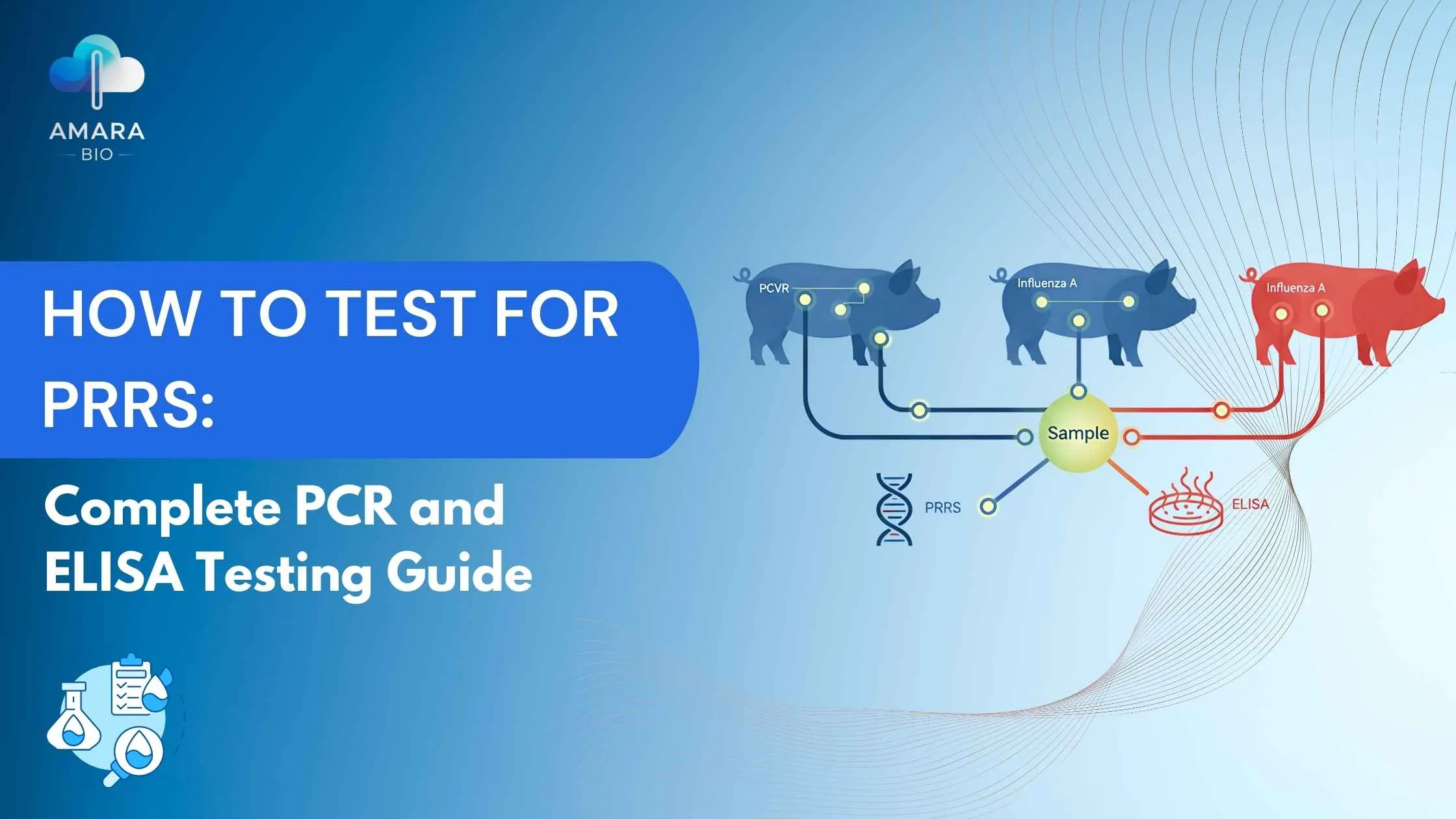
PRRS (Porcine Reproductive and Respiratory Syndrome) costs the US swine industry a massive $1.2 billion every year. Understanding how to test for PRRS is critical for any pig farmer who wants to protect their operation. Whether you need a PRRS PCR test to quickly spot an outbreak or an ELISA PRRS test to monitor your herd, choosing the right testing method can save you from devastating losses.
Symptoms of porcine reproductive and respiratory syndrome include breeding problems in sows and breathing issues in growing pigs. But you can’t rely on what you see alone – you need lab testing to know for sure. The PRRS test kit market is growing fast, expected to reach $4.6 billion by 2032, giving farmers more testing options than ever before.
This guide explains when to use PRRS PCR test methods versus ELISA PRRS test approaches. We’ll cover both testing methods, how to collect samples properly, and new trends making swine testing faster and easier, including how labs like Amara Bio are delivering results in under 24 hours.
PRRS symptoms look a lot like other pig diseases. That’s why lab testing is so important – it gives you the definitive answer you need to make the right decisions for your farm.
What is PRRS?
PRRS is a virus that attacks pigs of all ages worldwide. It’s one of the most expensive diseases in pig farming today. The virus goes after two main body systems – breathing and reproduction – leading to fewer piglets born and higher death rates.
There are two main types that cause problems on commercial farms. PRRSV-1 (European type) and PRRSV-2 (North American type) both create similar symptoms but are genetically different, which affects how you test for them and what vaccines work.
The virus spreads in several ways: pigs touching each other directly, through the air over short distances, and on dirty equipment or clothes. Once infected, animals can spread the virus for weeks or months, making early detection crucial for stopping outbreaks.
Why PRRS Hits Your Bottom Line Hard
PRRS damages your profits in multiple ways. Pregnant sows lose their babies, have weak piglets that need extra care, and their breeding cycles get messed up, disrupting your production schedule.
Growing pigs get sick and grow slower, eating more feed for less weight gain. Other bacterial infections often follow PRRS outbreaks, adding more treatment costs and making recovery take much longer.
The virus can stick around in your herd for months or even years. Some farms deal with repeated outbreaks that create ongoing problems, requiring constant monitoring and treatment that drains both your time and money.
Why Testing Is More Important Than Ever
Understanding how PRRS spreads helps you set up effective monitoring programs. Regular testing can catch the virus before you see any symptoms, letting you act fast to prevent it from spreading through your whole herd.
Today’s PRRS management depends heavily on lab confirmation because you can’t tell from looking which strain you’re dealing with or how far along the infection is. Different PRRS types might need different treatment approaches. Advanced labs like Amara Bio now use artificial intelligence to turn complex test data into simple risk scores that help you make faster, smarter decisions.
Symptoms of PRRS to Watch For
Breeding Problems in Sows
Late pregnancy losses are often the first sign of PRRS in your breeding herd. Sows typically lose their babies after day 85 of pregnancy, usually in the last month when the losses hurt most financially.
Weak or dead piglets at birth signal possible PRRS circulation in your breeding herd. These struggling piglets might be born alive but show poor energy, have trouble nursing, and get sick more easily, requiring intensive care.
Irregular breeding cycles point to reproductive problems from PRRS infection. Affected sows might show strange heat patterns, fail to get pregnant after multiple breedings, or lose embryos early, forcing costly re-breeding.
Mummified babies of different sizes in the same litter provide strong evidence of PRRS infection at different stages of pregnancy. This happens when the virus infects developing piglets at different times, causing death at various development stages.
Breathing Problems in Growing Pigs
Fever is usually the first sign you’ll notice in growing pigs with PRRS. Body temperatures can jump to 104-107°F and stay high for several days, seriously affecting how much they eat and grow.
Coughing and labored breathing develop as the virus damages lung tissue. Affected animals might breathe through their mouths, breathe faster than normal, or not want to move because breathing is hard.
Poor appetite and tiredness go along with breathing symptoms in most PRRS cases. Infected pigs might refuse to eat completely or eat much less for several days, losing weight and taking longer to reach market weight.
Blotchy red skin appears on ears, snouts, and legs of some infected animals. While not all pigs show this symptom, it can help you identify potential PRRS outbreaks before lab results come back.
General Signs Across All Ages
Poor growth affects pigs of all ages during PRRS outbreaks. Growth rates slow dramatically and feed efficiency drops well below normal levels. These performance problems often continue long after pigs appear to recover.
Secondary bacterial infections commonly develop after initial PRRS infection. Opportunistic bacteria create additional health challenges that make treatment more complicated and expensive.
Death rates can reach 10-15% in severe outbreaks, especially affecting nursery pigs and animals with weak immune systems. Deaths keep accumulating for weeks after the virus first enters without proper intervention.
Why What You See Isn’t Enough for Diagnosis
PRRS symptoms overlap significantly with many other pig diseases, making visual diagnosis unreliable. Influenza, PCV2, bacterial pneumonia, and other breathing problems can look almost exactly the same.
Hidden infections happen frequently, especially in breeding herds exposed to smaller amounts of virus. These carrier animals might spread virus continuously without showing obvious symptoms, keeping infection cycles going.
Lab testing provides definitive diagnosis and identifies which strain you’re dealing with. Different PRRS strains might require different management approaches, vaccination programs, and prevention measures. Modern testing platforms, like those from Amara Bio, can test for PRRS, PCV2, Influenza A, and Mycoplasma all from one sample, giving you a complete picture of breathing problems.
PRRS PCR Test vs ELISA Test: Simple Explanations
PRRS PCR Test – The Fast Option
PRRS PCR tests look for the actual virus genetic material directly from infected animals. This method finds the virus itself, not your pig’s immune response to it. Think of it like looking for the burglar instead of looking for evidence that someone broke in.
What PCR Tests Can Do:
PCR tests make millions of copies of specific virus pieces, letting labs tell the difference between PRRSV-1 and PRRSV-2 types. Advanced systems can even identify specific genetic variants, providing valuable information about where the outbreak started.
Best Uses for PCR:
New infections show up immediately with PRRS PCR tests since they detect active virus multiplication. This early detection makes PCR perfect for outbreak investigation and immediate containment. Leading labs like Amara Bio have cut standard turnaround times to under 24 hours, with recent weekly averages of just 11 hours and 27 minutes.
What Samples You Need:
Blood serum needs 0.5-1 mL minimum for reliable PRRS PCR test results. Oral fluids collected by hanging ropes need 5-8 mL for best sensitivity. Tissue samples from dead animals need 1-2 grams fresh weight.
How Fast and Sensitive:
Most traditional labs provide PRRS PCR test results within 1-2 business days. The technology can detect virus amounts as low as 1-10 viral particles per mL, making it extremely sensitive for early infection detection. However, cutting-edge facilities now deliver results in under 24 hours, dramatically improving outbreak response.
PCR Limitations:
PRRS PCR tests don’t detect antibodies, so they might miss animals in late-stage infections where virus levels have dropped. Some virus variants might escape detection if the test primers don’t match perfectly with circulating strains.
ELISA PRRS Test – The Long-Term Monitor
ELISA PRRS tests look for antibodies your pig’s immune system makes in response to virus exposure. This approach identifies animals that have encountered the virus, regardless of whether they’re currently infected. Think of it like looking for evidence that someone broke in, even if the burglar is gone.
What ELISA Tests Detect:
ELISA PRRS test systems identify specific antibody types that develop 7-10 days after initial infection. These antibodies stay detectable for months, providing evidence of past exposure and immunity status.
Best Uses for ELISA:
Herd monitoring programs benefit greatly from ELISA PRRS test approaches because they reveal population immunity levels. Long-term monitoring helps track infection patterns, evaluate vaccine effectiveness, and guide management decisions.
Important Considerations:
Maternal antibodies in young pigs can interfere with ELISA PRRS test interpretation. Piglets might test positive due to antibodies received through mother’s milk rather than actual infection, requiring careful evaluation by experienced diagnosticians.
Detection Timeline:
Animals typically develop detectable antibodies 7-10 days after initial PRRS infection. This delay means ELISA PRRS test methods might miss very early infections where immediate diagnosis is critical for outbreak control.
Vaccination Monitoring:
ELISA PRRS test results help evaluate immune response in breeding herds after vaccination programs. Rising antibody levels after vaccination indicate proper immune system activation and protection development.
Which Test Should You Choose?
For New Outbreak Investigation:
PRRS PCR tests provide the fastest, most definitive results when you suspect infection. The ability to detect virus within hours rather than days enables rapid containment measures.
For Regular Herd Monitoring:
ELISA PRRS tests work exceptionally well for regular monitoring programs where long-term infection patterns matter more than immediate diagnosis. Monthly or quarterly testing effectively tracks herd immunity status and can be part of subscription-based monitoring programs.
For Complete Evaluation:
Combining both PRRS PCR test and ELISA PRRS test methods gives you the most complete picture. PCR identifies active infections while ELISA reveals exposure history and population immunity levels. Modern platforms make this comprehensive approach more efficient by testing multiple diseases simultaneously.
How to Test Your Pigs for PRRS: Step-by-Step
Collecting Samples the Right Way
Blood Collection Basics:
Individual blood sampling needs 0.5-1 mL serum minimum for reliable PRRS PCR test results and 3-5 mL for comprehensive testing panels. Use clean collection equipment and appropriate tube types for your chosen testing method.
Jugular vein sampling (neck vein) provides the most blood with minimal animal stress. Vena cava sampling (chest area) works well for larger pigs when neck access is difficult.
Oral Fluid/Saliva Collection:
Rope sampling lets you collect samples from pig groups without restraining individual animals. Hang cotton ropes in pens for 30 minutes, let animals chew and soak the material, then squeeze collected saliva into sterile containers.
Individual oral swabs work for targeted testing of specific animals showing symptoms. This approach requires less restraint than blood collection but might be less sensitive for virus detection. Advanced labs provide sterile collection kits with detailed instructions to ensure optimal sample quality.
Smart Sample Pooling
PCR Testing Pools:
Up to 5 individual samples can be combined for PRRS PCR test analysis without losing much sensitivity. Pooling strategies reduce per-animal testing costs while maintaining reliable detection capabilities for surveillance programs.
ELISA Testing Requirements:
ELISA PRRS tests typically need individual samples for accurate antibody level measurement. Pooled samples might dilute antibody concentrations below detectable levels, compromising result reliability.
Testing Strategies by Production Phase
Breeding Herd Strategies:
Test 10-15 sows monthly to monitor PRRS circulation patterns in breeding operations. Focus sampling on newly introduced animals, those showing reproductive problems, and representative animals in different barn sections.
Sample boars quarterly since they can carry virus long-term. Include artificial insemination centers in testing programs to prevent virus introduction through contaminated semen.
Nursery Sampling Guidelines:
Test 10-12 pigs per room at 3-4 weeks after weaning when maternal antibodies decline. This timing helps distinguish active infection from immunity transferred through mother’s milk.
Finishing Barn Strategies:
Sample 15-20 animals per barn at entry and mid-finishing periods to track infection patterns. Focus on pigs showing breathing symptoms, poor performance, or other warning signs.
Getting Samples to the Lab
Submit samples on ice packs within 24 hours of collection for best results. Frozen samples work acceptably for PRRS PCR tests but might compromise ELISA PRRS test antibody detection.
Include complete animal identification, clinical history, and vaccination records with each submission. Age information, symptom timing, and management practices help labs interpret results accurately.
Emergency Testing:
For suspected outbreaks, contact labs directly to arrange rush processing. Leading facilities offer prepaid courier services and cloud-based platforms that enable real-time sample tracking and immediate result notification upon completion.
PRRS Test Kit Market Trends and Innovation
The global PRRS test kit market shows strong growth, expanding at a 4.5% compound annual growth rate with analysts projecting the market will reach $4.6 billion by 2032. This growth reflects increasing industry awareness of disease economic impact and continued technological advancement.
Demand for Faster Testing
Pig producers increasingly demand faster diagnostic turnaround times to enable quick decision-making during suspected outbreaks. Traditional 3-5 day testing timelines are becoming unacceptable for modern production systems requiring immediate intervention capability.
Point-of-care testing devices gain popularity for immediate on-farm diagnosis. These portable systems provide preliminary results within hours, though lab confirmation remains necessary for definitive strain identification. However, cloud-based labs now offer turnaround times competitive with point-of-care testing while maintaining lab-grade accuracy.
Multiple Disease Testing Innovation
Modern diagnostic platforms can detect multiple diseases simultaneously from single samples. PRRS test kit market leaders now offer panels combining PRRS, PCV2, influenza A, and Mycoplasma detection, reducing costs and simplifying herd health monitoring.
Respiratory disease panels help veterinarians identify all contributing problems in complex outbreaks. This comprehensive approach improves treatment success rates, reduces unnecessary antibiotic use, and provides complete diagnostic pictures. A Manitoba health manager noted that “The AI alert caught a PCV2 spike a week early” when using advanced testing with automated risk assessment.
Technology Integration Advances
Cloud-based result reporting systems enable real-time access to test results from any location. Mobile applications and online portals streamline communication between farms, veterinarians, and diagnostic labs.
Artificial intelligence applications emerge to interpret test results and provide risk assessment scores. These systems help producers prioritize intervention strategies based on data analysis rather than guesswork. Leading labs now convert complex test data into easily understood risk scores that guide immediate decision-making.
Market Growth Drivers
Increasing global pork consumption drives demand for improved disease control measures. Rising awareness of PRRS economic impact motivates producers to invest in comprehensive testing programs that protect profitability.
Regulatory requirements for disease monitoring in international trade create additional testing demand. Export markets increasingly require documented freedom from specific pathogens, driving routine surveillance testing and specialized export readiness programs.
Choosing the Right Lab Partner
Selecting the right diagnostic lab significantly impacts your PRRS management success. Different facilities offer varying capabilities, turnaround times, and specialized services that might better suit your specific production needs.
Key Things to Look For
Speed of Results:
Leading labs provide PRRS PCR test results within 1-2 business days compared to slower facilities requiring 3-4 days. This time difference proves critical during outbreak situations where every hour enables virus spread. Canada’s fastest labs now deliver results in under 24 hours, with some achieving average turnaround times of approximately 11 hours.
Multiple Disease Testing:
Advanced facilities offer comprehensive panels detecting PRRS alongside other common pig diseases. Single-sample testing for multiple diseases reduces sampling stress on animals while providing complete respiratory disease profiles. Look for labs offering PRRS, PCV2, Influenza A, and Mycoplasma testing from one sample submission.
Quality Standards:
Look for labs maintaining ISO 17025 certification or equivalent quality systems. These standards ensure testing accuracy, result reliability, and consistent performance across all diagnostic procedures. Labs with pending ISO 17025 certification demonstrate commitment to meeting international quality standards.
Pig-Focused Expertise:
Facilities focusing specifically on swine diagnostics often provide more relevant insights than general veterinary labs. Specialized knowledge helps with result interpretation, sampling recommendations, and management suggestions tailored to pig production challenges.
Easy Technology Access:
Modern labs offer cloud-based platforms for easy result access, mobile applications for field sampling, and automated result reporting that streamlines communication with veterinary teams. Look for platforms that provide dashboard access, sample tracking, and downloadable reports from any device.
Flexible Sample Submission:
Choose labs accommodating various sample types, pooling strategies, and shipping methods. Flexible submission options help maintain testing programs even during challenging logistics situations. Leading facilities provide prepaid courier services and sterile collection kits for seamless sample submission.
AI-Powered Insights:
Next-generation labs offer artificial intelligence applications that convert technical lab data into actionable management recommendations. These systems analyze test data, historical trends, and risk factors to provide early-warning alerts and intervention timing recommendations.
Trusted by Leading Operations
Top swine health professionals increasingly rely on specialized diagnostic services that combine speed, accuracy, and comprehensive disease detection. Leading veterinary clinics, pork integrators, and swine health networks have adopted cloud-based testing platforms that deliver results in under 24 hours while providing AI-powered insights for proactive herd management.
The Real Cost of Testing Delays
Every hour of delayed PRRS diagnosis costs the average 1,000-head finishing operation $87 in lost performance. For breeding herds, reproductive failures from late detection average $2,100 per affected sow, making rapid testing investments highly cost-effective.
Outbreak Timeline Economics
- Hours 1-6: Virus spreading to nearby pens (containment still possible)
- Hours 12-24: Peak virus shedding begins (intervention window closing)
- Hours 24-48: Secondary bacterial infections establish
- Hours 48-72: Traditional lab results typically available
- Hours 72+: Economic losses accelerate exponentially
Modern labs that deliver results within 24 hours can compress this timeline significantly, enabling intervention during the critical first 24-hour period when containment remains most effective.
Testing Investment Returns
Proactive testing programs typically generate 3:1 to 5:1 return on investment through early detection and intervention. Operations using regular surveillance detect problems 2-3 weeks earlier than those relying solely on visual observation.
Subscription-based monitoring programs offer predictable testing costs while ensuring consistent surveillance. These programs often include automated scheduling, prepaid sample collection, and dashboard-based result tracking that simplifies herd health management.
Cost-Benefit Analysis
Monthly testing costs $2-5 per pig annually, while PRRS outbreaks cost $15-25 per pig in direct losses plus secondary impacts. Early detection programs pay for themselves by preventing just one major outbreak every 3-5 years.
Advanced testing platforms that combine multiple diseases in single submissions provide additional value by detecting co-infections that compound PRRS impacts. Early identification of PCV2, Influenza A, or Mycoplasma alongside PRRS enables comprehensive treatment protocols that improve recovery outcomes.
Conclusion
Effective PRRS management starts with understanding when and how to implement appropriate testing strategies. PRRS PCR tests provide rapid diagnosis during new outbreaks, while ELISA PRRS tests excel for long-term herd monitoring and immunity tracking.
The $1.2 billion annual industry loss from PRRS demonstrates why proactive testing investments deliver significant returns. Early detection through strategic testing protocols can save operations thousands of dollars in lost productivity while protecting animal welfare.
Combining multiple testing approaches provides the most complete picture of your herd’s PRRS status. Regular surveillance testing helps prevent outbreaks before they impact production performance and profitability, making diagnostic investments essential components of modern swine management.
Modern cloud-based labs are revolutionizing swine diagnostics by delivering results in under 24 hours while providing AI-powered insights that convert complex data into actionable management decisions. These advances enable producers to respond to threats during critical intervention windows when containment remains most effective.
Ready to protect your operation from PRRS outbreaks? Contact Amara Bio at support@amara.bio to discuss customized testing protocols that fit your specific production system. With Canada’s fastest turnaround times, comprehensive multiple-disease testing, and AI-powered risk assessment, Amara Bio provides the diagnostic partnership that leading swine operations trust for proactive herd health management.
Don’t wait for symptoms to appear – implement proactive PRRS testing today and safeguard your swine operation’s future profitability with the fastest, most comprehensive diagnostic platform available in Canada.
Leave a Reply